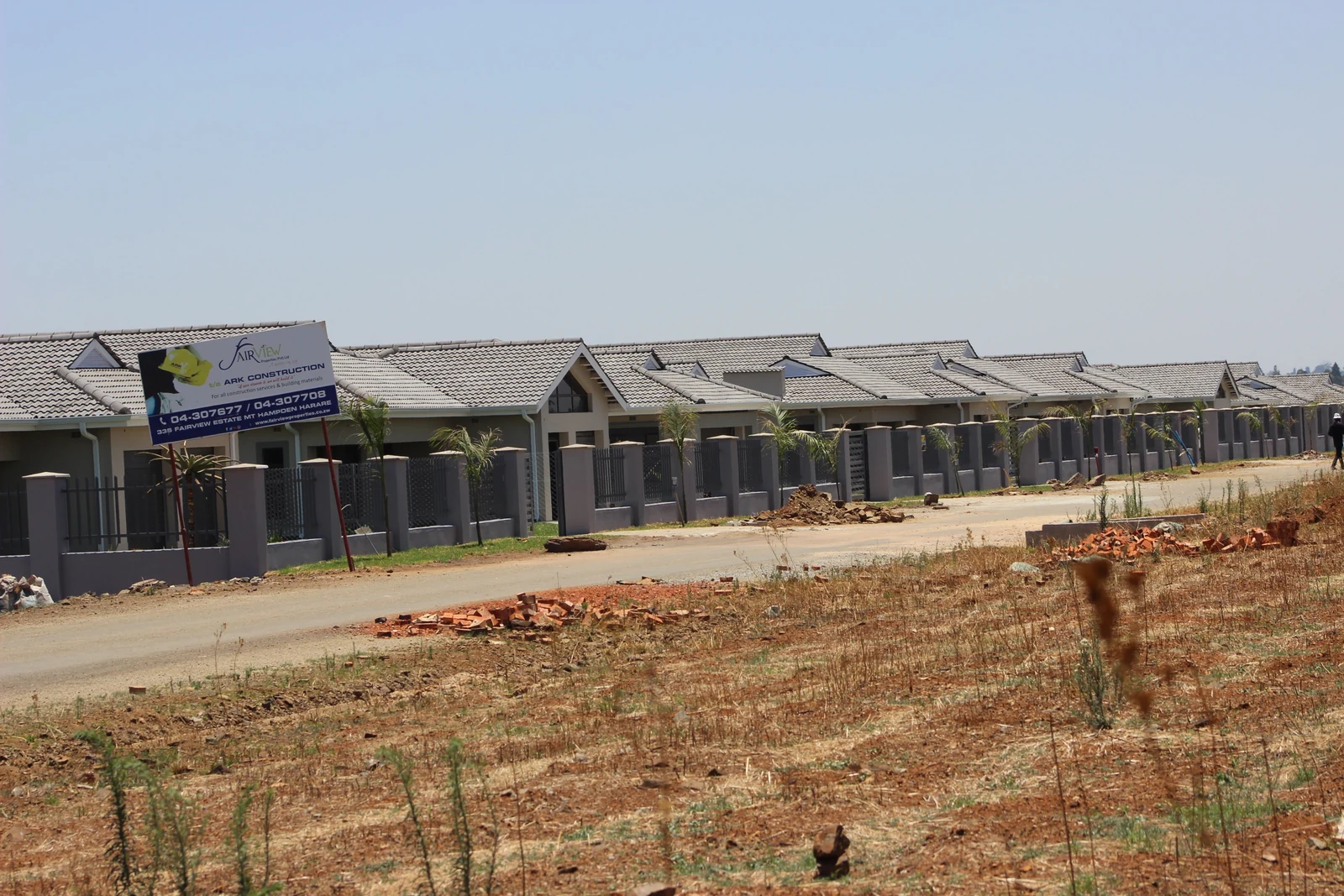
Translate development demand into infrastructure
Reticulation design starts with the people and activities a development will serve. Housing density, commercial uses, schools, industry and future phases all influence daily demand and peak flows. The engineer converts the land-use plan into a realistic design basis, then tests how that demand interacts with available supply, storage and municipal connection conditions.
Planning for an ultimate development does not mean every pipe must be oversized. It means creating a rational network that can be extended without abandoning early investment or creating poor operating conditions during initial phases.
Water networks need pressure and resilience
A water network must deliver adequate pressure across changes in ground level and periods of high demand. Hydraulic analysis helps establish pipe sizes, looped routes, pressure zones and the role of storage or pumping. Fire-flow requirements and critical users may create demands that differ from normal domestic consumption.
Route selection should also consider road reserves, other utilities, isolation valves and access for repairs. A technically efficient network that cannot be maintained safely will create avoidable operational cost.
Sewer design is governed by levels
Gravity sewer systems depend on accurate levels, suitable gradients and sensible manhole spacing. The design must avoid pipes that are too shallow to protect or unnecessarily deep to construct. Where gravity cannot serve the whole site, alternatives may include revised platforms, separate catchments or carefully located pumping infrastructure.
The connection between plot levels, road profiles and sewer routes should be resolved before detailed architectural work progresses. This coordination reduces the risk of properties that cannot drain as intended.
Plan approvals, testing and handover early
Authority requirements, wayleaves and connection approvals should be treated as programme activities rather than final paperwork. During construction, pressure testing, leakage checks, pipe bedding inspections and sewer testing provide evidence that buried infrastructure has been installed correctly.
Accurate as-built records, valve schedules and operating information are part of a complete network. They help owners and authorities respond quickly when future maintenance or extensions are required.
- Confirmed land-use schedule
- Supply and outfall information
- Hydraulic demand assessment
- Coordinated utility corridors
- Testing and as-built requirements